
Why Brand Workshops Matter More Than You Think
There’s a familiar temptation when thinking about branding. The urge to jump straight to the visuals. Colours, typography, a new logo, a refreshed website. These are the visible expressions of a brand, and understandably they’re often where businesses want to begin.
But strong brands rarely start there.
Behind every identity that feels confident and coherent is a layer of thinking that came first. The conversations that uncover what a business truly stands for, how it wants to be perceived and why it deserves attention in a crowded market. Without that foundation, design becomes surface-level decoration rather than meaningful communication.
This is where brand workshops come in.
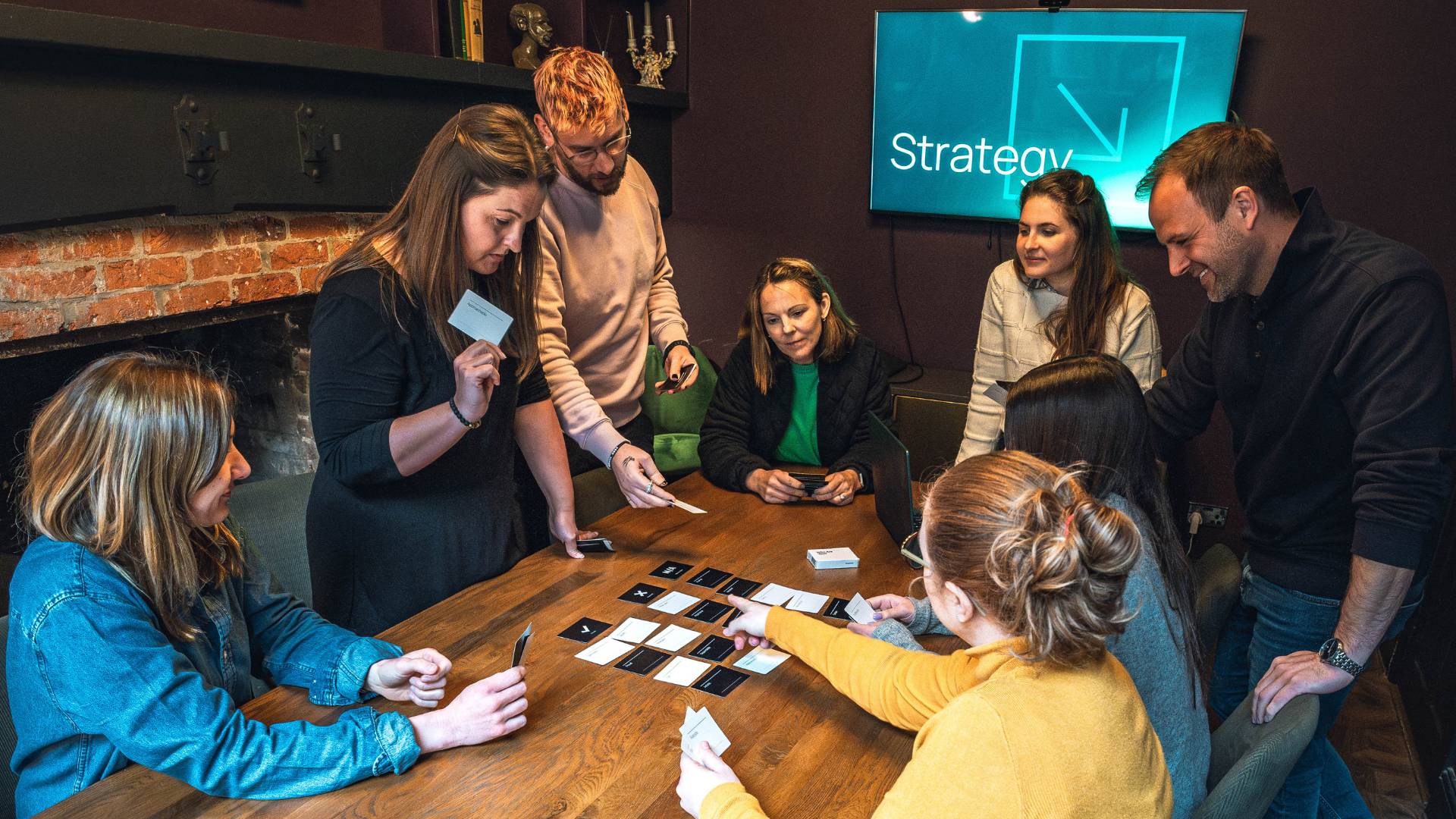
At Sanders & Jay, workshops are often the starting point of the branding process. Not because they are a box to tick, but because they create the clarity needed to build something that actually reflects the business behind it.
The value of slowing down
When businesses decide they need a brand refresh, the instinct is often to move quickly. There’s a sense that something feels outdated or misaligned and the solution seems obvious: redesign it.
Yet branding is rarely that simple.
Visual identity is only effective when it reflects something real about the organisation it represents. Its character, its ambition, its difference. Without exploring those aspects first, even beautifully crafted design risks missing the mark.
Workshops allow space to slow down and ask the questions that matter. What makes the business distinctive? What does it want to be known for? What are the values that shape how it works?
These conversations uncover the truths that make a brand authentic. The qualities that separate it from competitors and give it a recognisable voice.
Thinking beyond the logo
One of the most common misconceptions about branding is that it revolves around the logo. In reality, the logo is simply the most recognisable symbol within a much wider system.
A brand is built from many interconnected elements: tone of voice, messaging, visual style, behaviour, culture and experience. When these elements work together, the result is something that feels consistent and intentional. When they don’t, the brand can feel fragmented. A polished logo paired with messaging that lacks personality. A well-designed website that doesn’t communicate what the business truly offers.
Workshops help bring these components into alignment. They encourage teams to think beyond aesthetics and consider the full picture. The purpose behind the brand and how it shows up across every touchpoint.
Because creating a striking visual identity means little if it isn’t carried through the rest of the organisation.
Discovering what makes you different
In many industries, products and services can begin to look remarkably similar. Businesses offer comparable solutions, use similar language and present themselves in ways that blend into the same visual landscape.
Branding is one of the few opportunities to step away from that sameness.
Workshops are designed to uncover the distinctions that might otherwise remain buried. The qualities that make a company unique, whether that’s its philosophy, its approach to clients or the way its team operates.
Often these differences already exist within the organisation but have never been clearly articulated. Bringing them to the surface allows them to become part of the brand story.
This process isn’t about inventing something artificial. It’s about recognising what is already there and giving it structure.
Turning insight into strategy
The outcome of a workshop is not simply a collection of interesting ideas. The goal is to transform discussion into a clear strategic direction.
This includes defining positioning, identifying key messages and establishing the principles that guide future design decisions. In other words, creating a framework that ensures every visual and verbal element has purpose.
When this thinking feeds into the creative process, design becomes more focused. Colour choices support the personality of the brand. Typography reinforces its tone. Imagery reflects the atmosphere the business wants to convey. Instead of isolated design decisions, everything connects.
Internal perspective vs external objectivity
Some businesses choose to run brand workshops internally, and this can work well. Teams often possess valuable insight into the organisation’s culture and history. When structured effectively, internal sessions can surface meaningful perspectives.
However, there can also be advantages to bringing in an external facilitator.
Someone outside the business can ask more challenging questions, challenge assumptions and offer objective thinking. They are not influenced by internal politics or long-standing habits, which allows conversations to move in new directions.
Whether facilitated internally or externally, the key is creating a space where honest discussion is encouraged and different viewpoints are explored.
Making the brand real
One of the biggest risks in branding is creating something that looks impressive but never truly lives within the organisation.
A brand cannot exist purely as a design project. For it to have impact, it must be embraced by the people who represent it and applied consistently across every interaction.
Workshops help avoid the trap of creating something faceless. By involving key stakeholders in the thinking stage, the resulting identity feels connected to the business rather than imposed upon it.
When teams understand the reasoning behind the brand, they are far more confident in using it.
From strategy to expression
Once the strategic groundwork has been laid, the creative phase can begin with far greater clarity. Designers are no longer working from vague preferences but from a defined sense of direction.
This allows visual ideas to emerge that genuinely reflect the brand’s personality.
And just as importantly, it ensures the brand extends far beyond a single asset. Websites, social media, printed materials and presentations all become part of a cohesive system rather than disconnected pieces.
There is little value in creating a thoughtful brand if it never reaches the outside world. The strength of the work lies in how consistently it is rolled out.
A stronger foundation for the future
Brand workshops are not about prolonging the process or adding unnecessary complexity. They are about making sure the time invested in branding produces something meaningful.
When the underlying thinking is clear, everything that follows becomes more confident. Design decisions make sense. Messaging feels authentic. The brand has direction.
In a marketplace where attention is limited and competition is constant, that clarity matters.
Because strong brands are rarely accidental. They are the result of asking the right questions before picking up the pen.