
Print is often described as declining. Too expensive. Too slow. Too hard to measure. In a world dominated by digital-first thinking, those concerns are understandable.
But decline doesn’t mean irrelevance.
What’s really changed isn’t the value of print, it’s how and why it’s used.
Digital is fast. Print is felt.
Digital marketing has given brands incredible reach. But it’s also created saturation. Content is scrolled past, swiped away, or absorbed for seconds before disappearing. Even the best ideas can be overlooked in crowded feeds and inboxes.
Print works differently.
It asks for attention rather than fighting for it.
It has weight, texture, permanence.
It’s slower, and that’s often its strength.
A printed piece can’t be dismissed with a swipe. It sits on a desk. It’s revisited. It becomes part of a physical environment. In an increasingly intangible world, that tangibility matters.
The biggest mistake brands make with print is treating it as mass output rather than meaningful communication. Now more than ever, it’s vital to review your audience, your target, and your goals, not just your reach. Print isn’t about volume. It’s about intent.
Who is this for?
What moment will they encounter it?
What do you want it to say about your brand?
When print is aligned with the right audience and used at the right point in the journey, it becomes incredibly effective, often more memorable than digital alone.
Yes, print has challenges and they’re worth considering
Print can feel expensive. Distribution requires planning. Scalability isn’t always straightforward. These are real considerations, and ignoring them doesn’t help anyone.
But these challenges are also what make print more deliberate.
Because when cost and effort are involved, decisions tend to be better considered. Messaging is tighter. Design is more thoughtful. And the end result feels intentional, not disposable.
Print asks brands to slow down and in doing so, often sharpens clarity.
Nothing replaces physical representation
There’s still nothing quite like seeing your brand brought to life physically.
Whether it’s a carefully crafted brochure, thoughtfully designed collateral, or a publication that reflects depth and quality, print has a presence that digital can’t replicate.
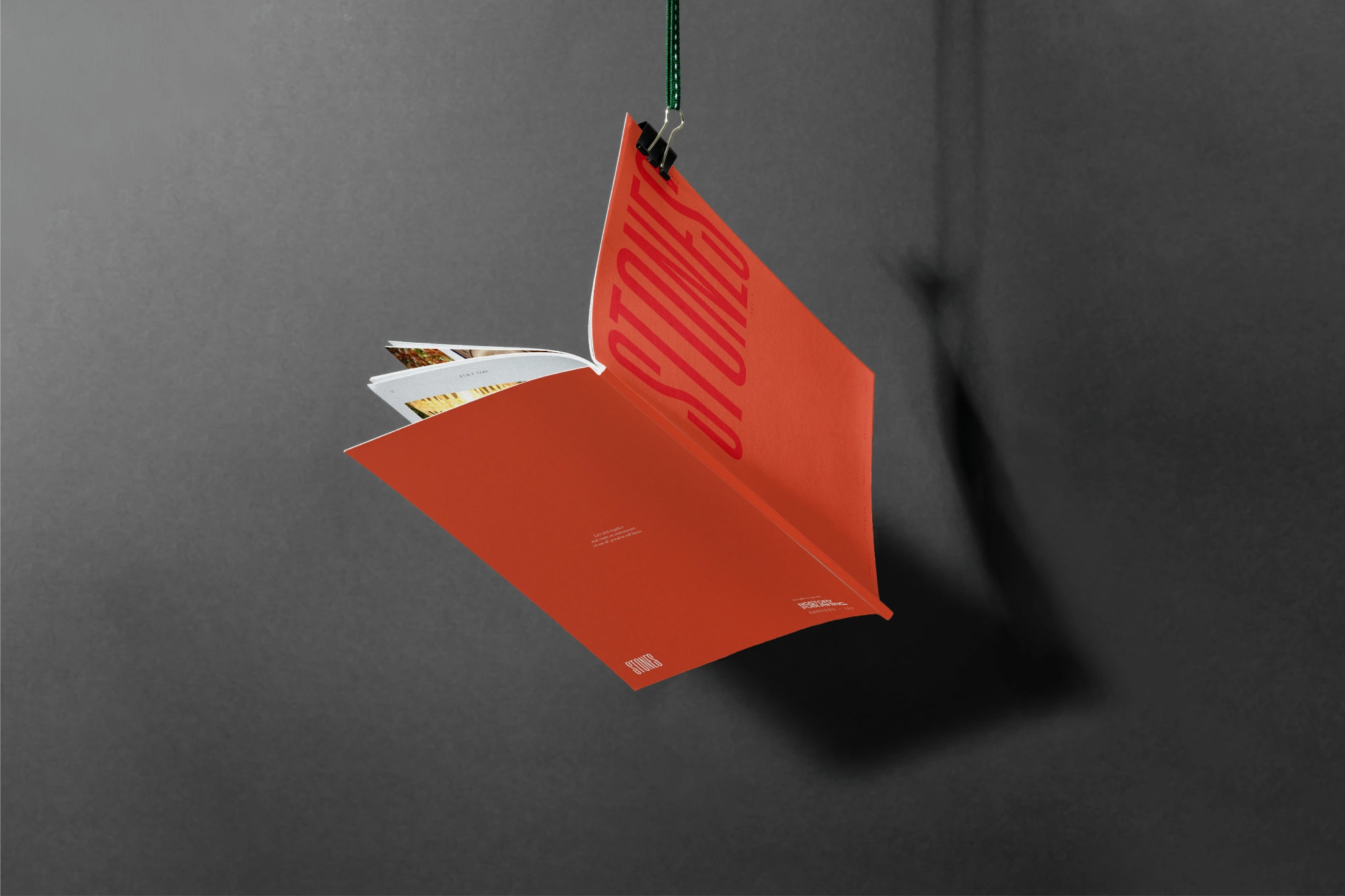
We see this clearly in our work, from mass-produced flyers that support campaigns and events, to premium pieces like STONES Magazine, where material, layout, and finish all contribute to how the brand is experienced.
Both have value. Both serve different purposes. The key is understanding which is right, and when.
A more balanced approach
Print doesn’t need to compete with digital. It works best alongside it.
Used strategically, print adds credibility, longevity, and emotional connection to a wider marketing mix. It can elevate a message, reinforce brand values, and create moments that feel considered rather than fleeting.
At Sanders & Jay, we’ve always believed in choosing the right tools for the job, not defaulting to trends or assumptions. Whether that’s print, digital, or a combination of both, the starting point is always the same: clarity on audience, intent, and outcome.
If you’re questioning whether print still has a place in your marketing, that’s a good question to ask. We can help you answer it, thoughtfully, strategically, and with purpose.
Because print isn’t about doing more.
It’s about doing what matters.